
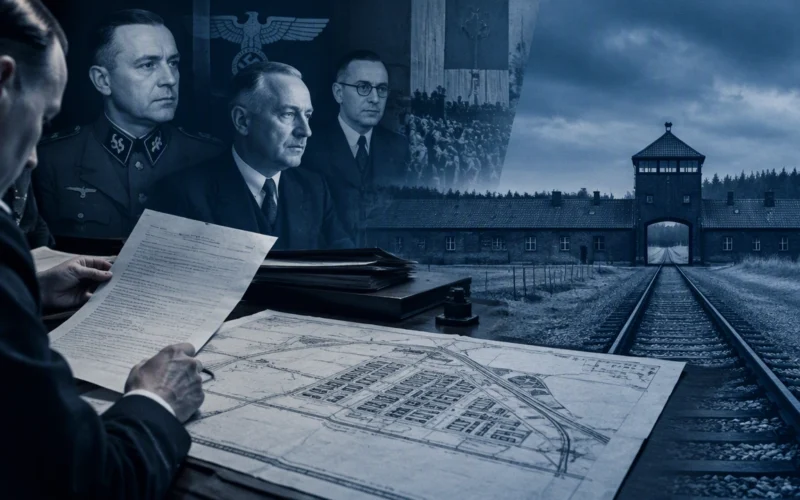
Why Was Sobibor Built? Administrative and Ideological Decisions Behind the Camp
Why was Sobibor built, and who decided to establish it? This history traces the bureaucratic and ideological choices that led to the camp.
Why was Sobibor built, and who decided to establish it? This history traces the bureaucratic and ideological choices that led to the camp.
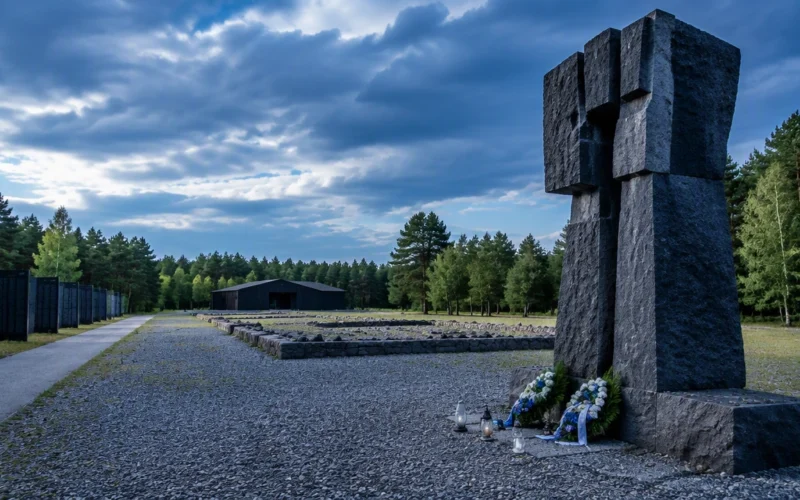
A careful guide to Sobibor's memorial landscape, archaeological findings, and the responsibilities of visitors who come to remember.
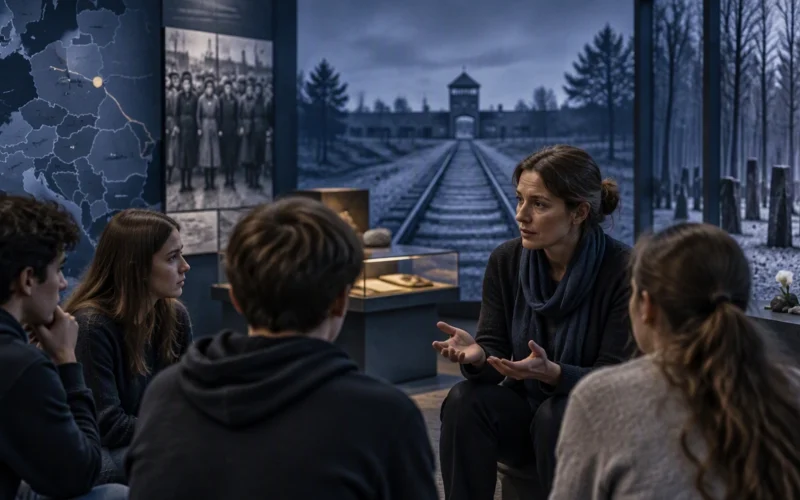
A calm, trauma-informed framework for teaching Sobibor with accuracy, dignity, and age-appropriate context.
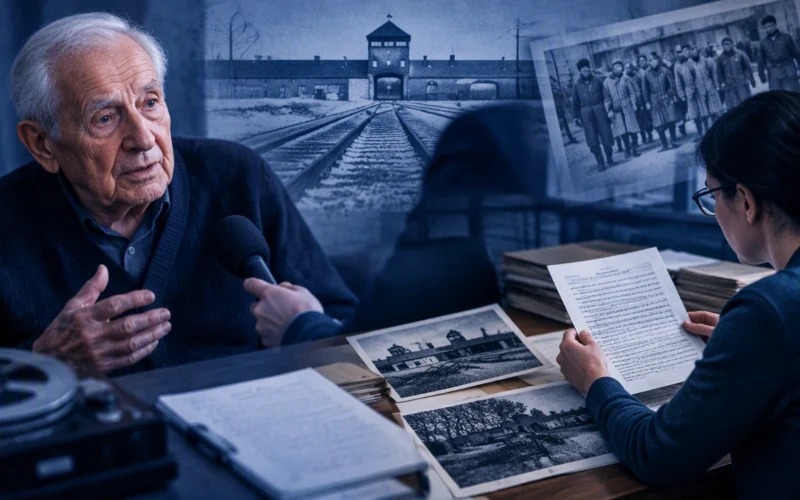
This article examines how survivor testimonies from Sobibor were recorded, compared, and used as evidence, asking which accounts describe daily life and the escape.
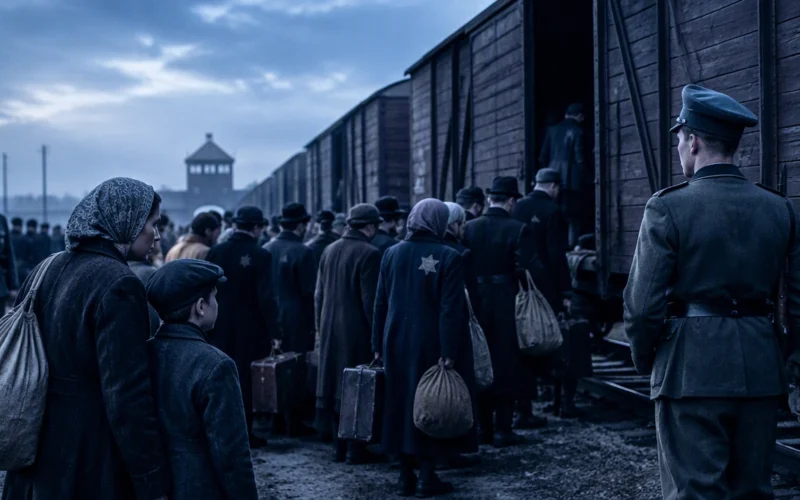
Using testimony, transport records and archaeology, this article reconstructs the arrival process at Sobibor and the fate of deportees.
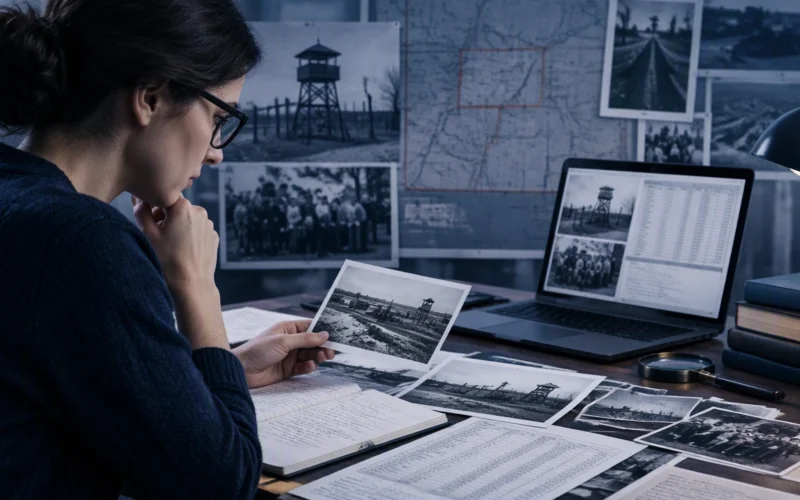
Learn a practical method to verify Sobibor dates, numbers, photographs and sources to separate reliable history from conflicting claims.
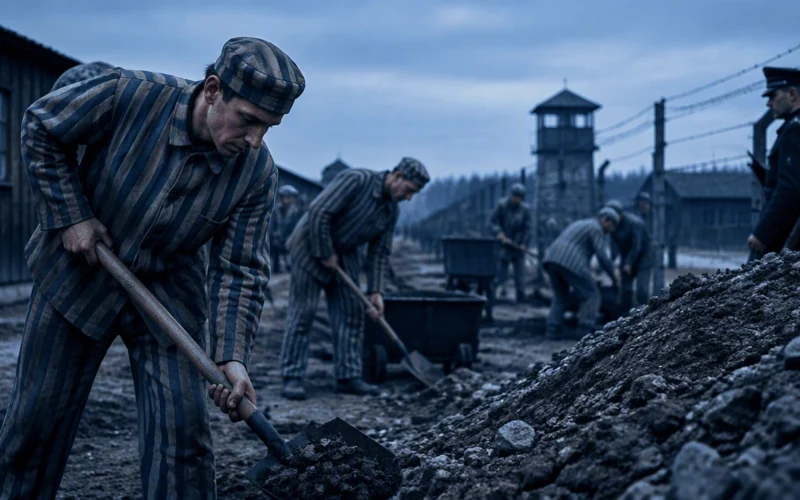
Camp III at Sobibor held workshops and maintenance sites where forced labor kept the camp running while never offering true safety.
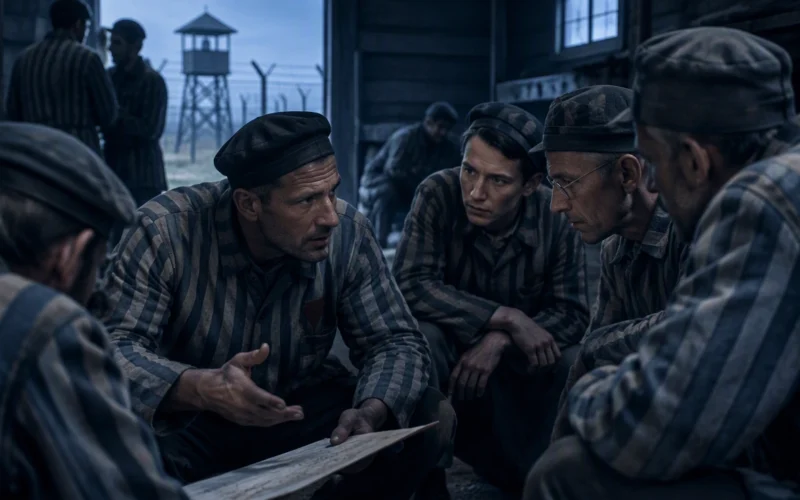
Prisoners shared intelligence, built trust, and prepared a coordinated escape from Sobibor's extermination camp.
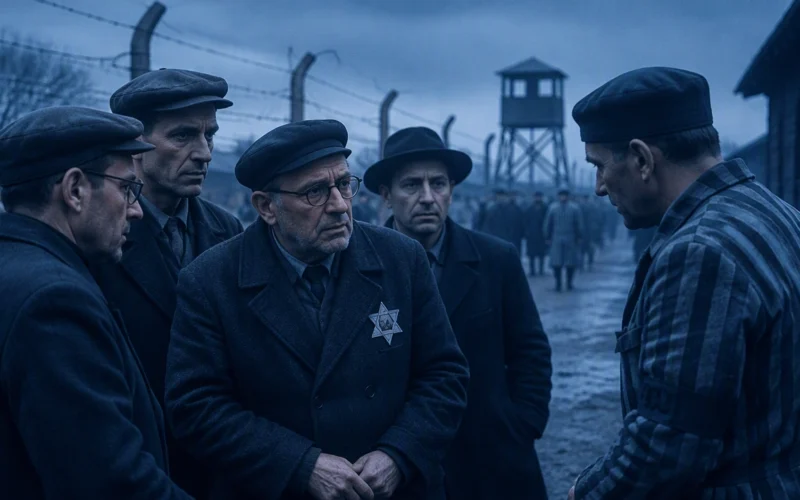
Prisoner functionaries at Sobibor navigated impossible choices under coercion, revealing the fragile boundaries between survival, complicity, and moral endurance.
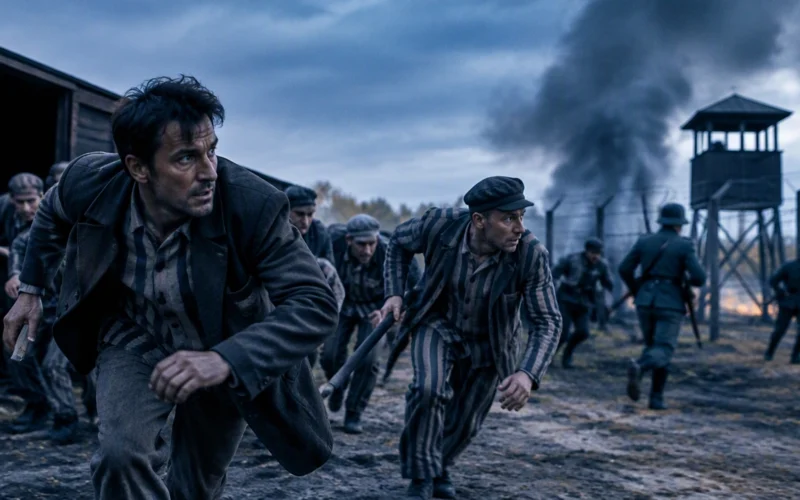
A careful minute-by-minute account of the Sobibor uprising and escape on 14 October 1943, separating confirmed facts from disputed details.