Sobibor History: Work Details in Camp III and the Line Between Survival and Safety
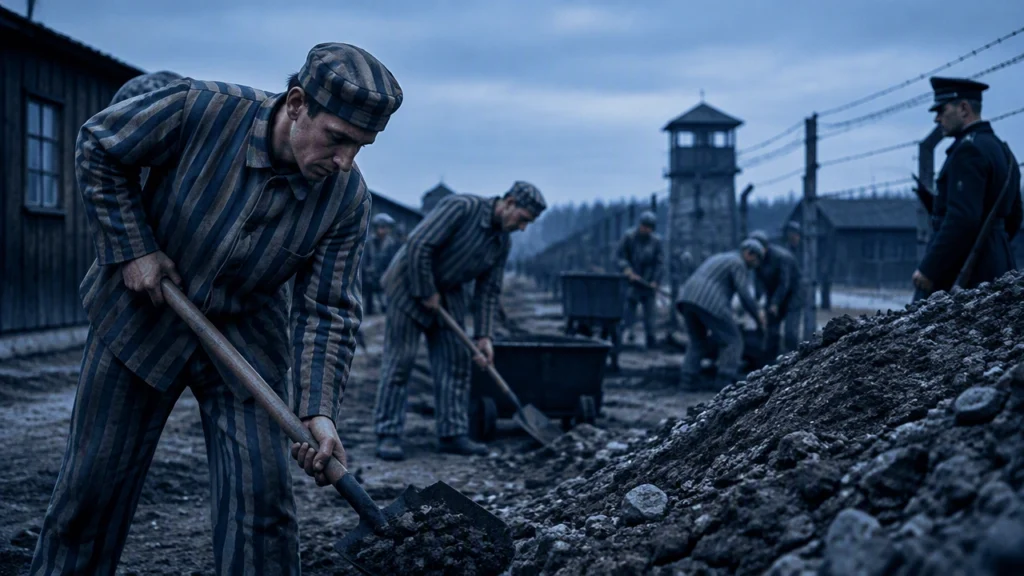
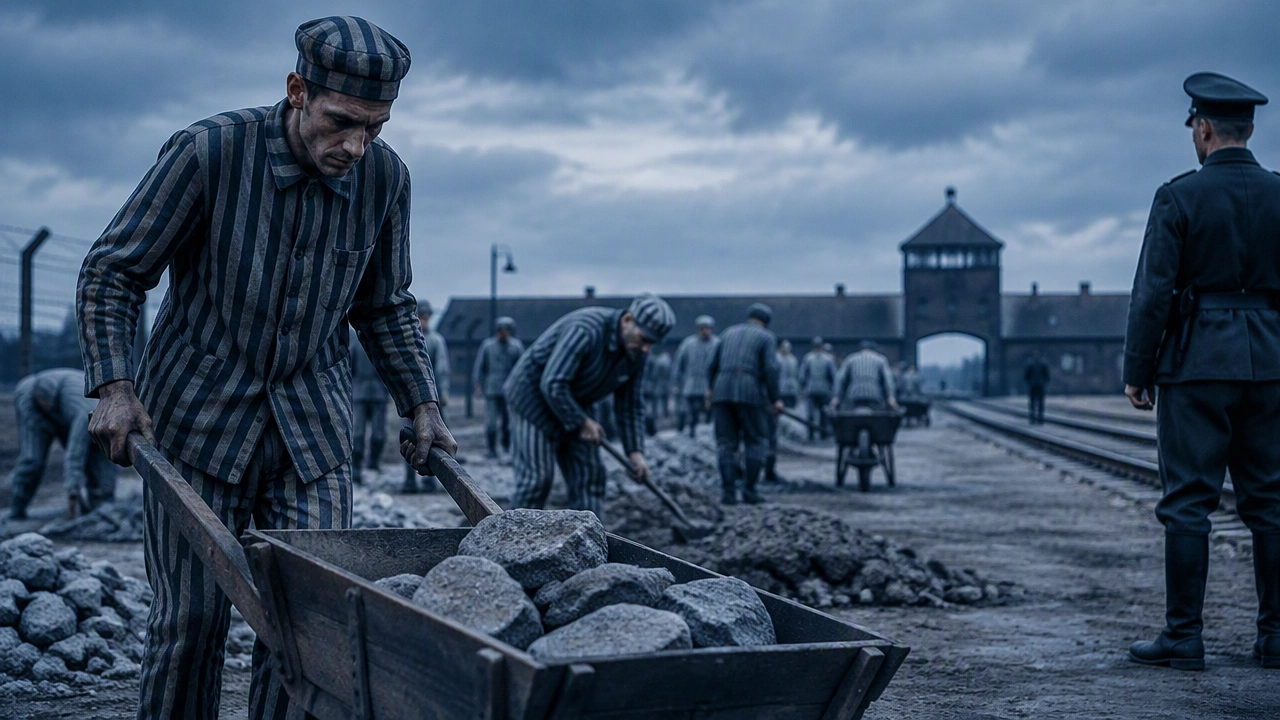
Sobibor history is often told through arrivals, selections, and the 1943 uprising, yet daily life inside the camp was shaped by work. Camp III, the administrative and technical zone near the entrance, contained workshops, storage areas, and maintenance sites. Prisoners assigned there performed forced labor that kept the camp functional. Understanding these tasks helps explain how some individuals survived longer while clarifying that survival in Sobibor never meant safety.
Where Camp III sat in the camp’s layout
Sobibor was divided into several areas with distinct purposes. Camp I housed the SS and guard facilities. Camp II held prisoner barracks and some service sites. Camp III, sometimes called the technical or administration zone, contained workshops, garages, storerooms, and offices. Its proximity to the entrance and its mix of skilled and unskilled tasks meant that Camp III workers were visible to guards and often needed for ongoing operations. Labor here was compulsory, closely watched, and tied to the camp’s daily needs.
What kinds of forced labor did prisoners perform at Sobibor?
Prisoners in Camp III worked in carpentry, metalworking, tailoring, shoemaking, cooking, laundry, and cleaning. Others were assigned to maintenance and transport tasks that supported the camp’s infrastructure. These roles were not chosen by the workers; they were assigned by the SS or by prisoner functionaries acting under SS orders. The range of jobs reflected both the camp’s operational demands and the broader Nazi policy of exploiting prisoners’ skills before discarding them.
- Carpentry and woodwork: Prisoners built and repaired furniture, shelving, crates, and structural elements for buildings and fences. They also made items needed in offices and storerooms.
- Metalworking and mechanics: Skilled metalworkers repaired tools, sharpened equipment, and fabricated small parts. Garages in or near Camp III maintained vehicles and machinery used by guards and work details.
- Tailoring and shoemaking: Prisoners sewed uniforms and clothing, mended garments, and repaired or made footwear. Quality mattered to the SS, but output was prioritized over durability.
- Cooking and food service: Some prisoners worked in kitchens that prepared rations for guards and, in limited and unequal portions, for prisoners. Food handling brought a degree of proximity to supplies, though theft or perceived theft could be punished severely.
- Laundry and cleaning: Laundry details washed and repaired clothing and linens. Cleaning crews maintained offices, quarters, and workshops, removing dirt and debris as part of daily routines.
- Storeroom and inventory work: Prisoners sorted, stacked, and recorded goods arriving at the camp, including items confiscated from victims. This work was sensitive because it involved property and records.
Skills, roles, and the hierarchy of labor
Skilled trades often placed prisoners in more sheltered workshops, while unskilled laborers were assigned to heavy carrying, sweeping, and general maintenance. A prisoner’s trade could lengthen survival by moving them away from the most dangerous outdoor details, but it did not remove risk. Mistakes, slow output, illness, or random selections could lead to beatings or death. The SS and guards maintained control through fear, violence, and a system of prisoner functionaries who enforced work quotas and discipline.
Work assignments shifted as needs changed. When vehicles broke down, mechanics were urgently needed. When buildings required repair, carpenters were moved into place. These changes could bring temporary relief from harsher details or push a worker into more exposed tasks. The instability of assignments was itself a form of danger.
Survival versus safety in Camp III
Work in Camp III could improve a prisoner’s immediate chances of survival. Regular access to a sheltered workshop, a recognized role, and the ability to barter small skills could delay transfer to Camp II or removal from the camp. Some prisoners also gained limited information about camp operations through their work, which could help them anticipate changes or avoid certain risks.
However, survival was not safety. Proximity to the camp’s functioning did not grant protection, legal status, or reliable food. Prisoners remained under total SS control. Punishments for perceived infractions were swift and severe. Illness, exhaustion, and the psychological toll of forced labor accumulated over time. The presence of a workshop did not prevent a sudden decision by the SS to kill a worker or to clear a group of prisoners. Safety implies a degree of security and rights; in Sobibor, these did not exist.
The camp’s economy of exploitation
Forced labor in Camp III served the camp’s economy of exploitation. The SS required a functioning site to sustain operations, and they used prisoner skills to maintain it. Workshops produced or repaired items that supported guards and infrastructure. Storerooms processed goods taken from victims, turning personal property into camp resources. This system was not designed to benefit prisoners; it was designed to extract maximum use from them while keeping them disposable.
Even when work seemed more orderly than the brutality elsewhere in the camp, it remained coerced and dangerous. The appearance of routine could mask the underlying reality: prisoners worked under threat, with no guarantees beyond the next day.
Remembering labor in Sobibor history
When recounting Sobibor history, it is important to distinguish between the tasks prisoners performed and the conditions under which they performed them. Forced labor in Camp III was varied and skilled, but it did not confer dignity or safety. Recognizing the details of carpentry, metalwork, tailoring, cooking, and maintenance helps us understand how the camp functioned and how prisoners navigated impossible circumstances. It also reminds us that in a place built for mass murder, work could extend life without ever offering a secure future.